Experienced MD-certified dermatologists.
A 5-step consultation to understand your skin, hair & body.
US-FDA approved equipment ensuring safety and effectiveness
Achieve significant improvement in a few sessions.
No hidden costs. We ensure full transparency at every step.
7,50,000+ happy clients with a 95% satisfaction rate.
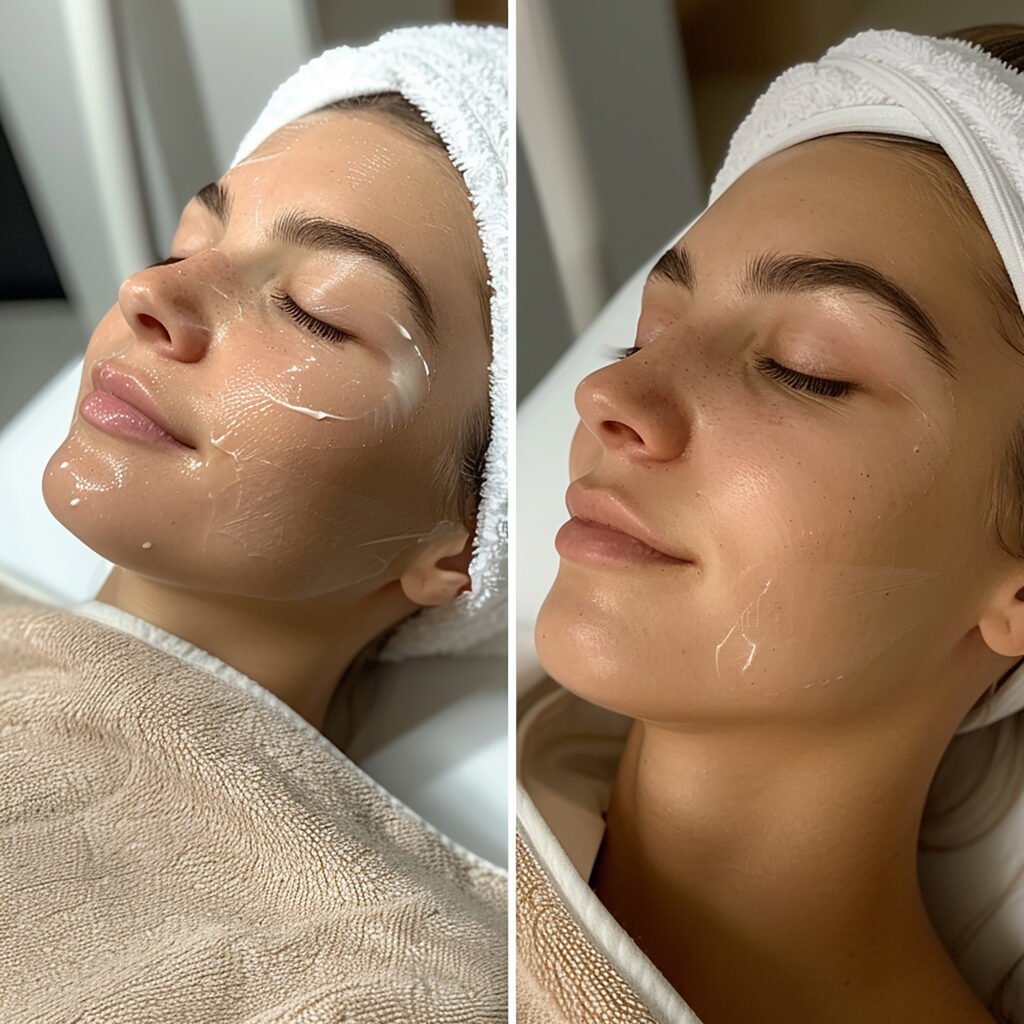
The Chemical peel procedure at Dermore Clinics includes three phases. Here is a step-by-step process:
Our testimonials
A chemical peel uses a specialized, skin-safe acid solution to remove the damaged outer layers of your skin in a controlled way. Think of it as a "super-exfoliation." By removing these dead cells, it signals your body to regenerate new, healthier, and smoother skin cells, improving texture, tone, and clarity.
Most superficial to medium-depth peels involve only mild discomfort. You might feel a tingling, stinging, or warming sensation while the solution is on your skin, which usually subsides quickly once it's neutralized. Deeper peels can be more uncomfortable, but your dermatologist will use appropriate numbing measures if necessary.
It depends on the strength of the peel.
Superficial (Light) Peels: often cause little to no visible peeling, maybe just some mild flaking. There is usually zero downtime.
Medium/Deep Peels: will cause visible peeling, redness, and crusting that can last anywhere from 3 to 7 days (sometimes longer for very deep peels). You may need a few days of social downtime.
Yes, but they must be performed by an experienced dermatologist. Certain deep peels can cause hyperpigmentation (dark spots) in darker skin tones if not done correctly. A qualified professional will choose the right type of acid (like glycolic or lactic acid in lower concentrations) to safely treat darker skin without causing damage.
Absolutely. Chemical peels, especially those containing salicylic acid, are excellent for acne. They dive deep into pores to dissolve excess oil, kill acne-causing bacteria, and reduce inflammation. They also help fade the red or dark marks (post-inflammatory hyperpigmentation) left behind after a breakout heals.
While you might notice a "glow" after just one light peel, significant issues like acne scars, deep pigmentation, or fine lines typically require a series of treatments. A common recommendation is a series of 3 to 6 peels, spaced about 2 to 4 weeks apart, depending on the strength of the peel and your skin's response.
Sun protection. After a peel, your "new" skin is extremely sensitive to UV rays. You must apply a broad-spectrum sunscreen (SPF 30 or higher) religiously every day and avoid direct sun exposure as much as possible to prevent damage and dark spots from forming on the fresh skin.