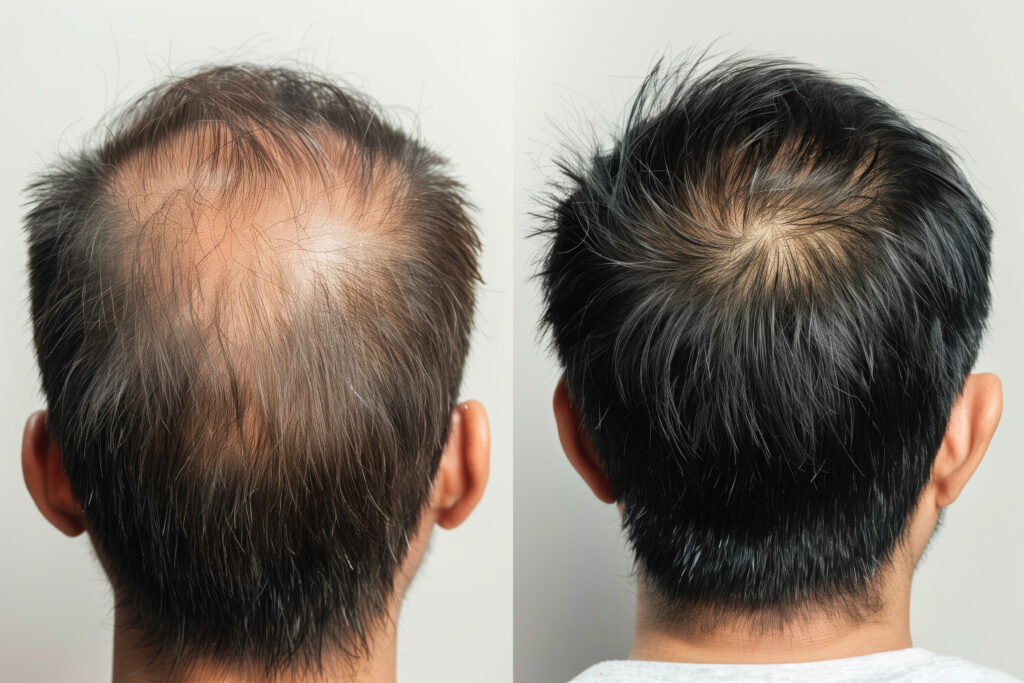
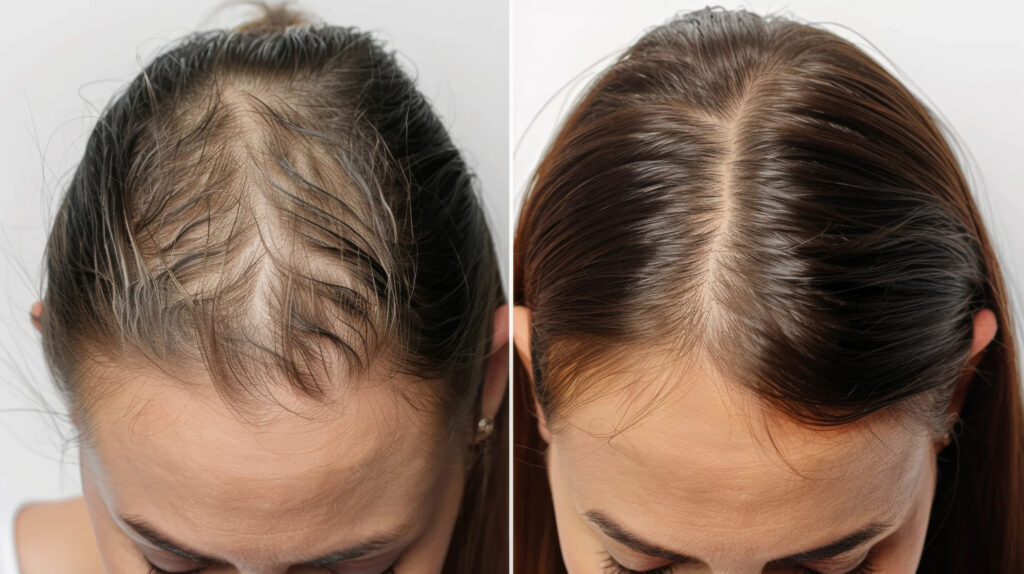
Restore your hairline. Reclaim your confidence
Advanced hair transplantation for a fuller, natural look

Why Choose Dermore Clinic For Chemical Peel?

Experienced MD-certified dermatologists.

A 5-step consultation to understand your skin, hair & body.

US-FDA approved equipment ensuring safety and effectiveness

Achieve significant improvement in a few sessions.

No hidden costs. We ensure full transparency at every step.

7,50,000+ happy clients with a 95% satisfaction rate.

What Is Hair transplant?

A hair transplant is an advanced, safe, and effective medical procedure, in which a hair transplant surgeon takes healthy hair follicles from the donor area, the back or sides of the scalp, and transplants them into areas with hair thinning or baldness. It is a proven treatment for male or female pattern baldness, offering natural-looking hair regrowth.

Benefits of Hair transplantation

Hair transplant Procedure at Dermore

The medifacial procedure at Dermore Clinics includes three phases. Here is a step-by-step process:

STEP
1

Pre-Treatment

>
STEP
2

During Treatment

>
STEP
3

Post Treatment

>
Pre-Treatment Consultation
  • The procedure begins with a comprehensive evaluation of your hair health, loss pattern, scalp condition, genetics, and lifestyle. The surgeon also examines the donor area, discusses your regrowth goals and desired hairline, and provides a realistic expectation of the results.
  • Your head is shaved by the medical team. The surgeon then precisely marks your new hairline and creates a grid on the balding areas to guide implantation, as well as marking the donor area for efficient follicle extraction.
  • Before the procedure begins, the medical team takes photographs. These serve as a baseline to accurately track and measure the progress of your hair regrowth over time.
During Laser Treatment
  • Our surgeons use the Direct Hair Implantation (DHI) technique, which involves two main steps: extracting hair follicles from the donor area and then implanting them directly into the balding areas of the scalp.
  • To ensure maximum client comfort, local anesthesia is applied to the donor area. The surgeon then extracts follicles alternately from different grids, rather than all at once from a single spot.
  • Similar to the extraction phase, the implantation process alternates between applying local anesthesia and implanting follicles grid by grid. This meticulous approach ensures a comfortable and pain-free experience throughout the procedure.
Post-Treatment Consultation
  • Once the procedure is complete, they will cleanse and dress the area. You will also receive a set of post-care instructions that you must follow diligently to see the results. The first week of post-care is the most crucial.

Before and After Results

Our testimonials

Customer Say About Our Services

Book an Appointment

FAQs

What is a hair transplant and how does it work?

A hair transplant is a surgical procedure that moves hair follicles from a part of your body with dense hair (called the "donor area," usually the back or sides of the head) to a bald or thinning part (the "recipient area"). The transplanted follicles are genetically resistant to balding and will continue to grow naturally in their new location for a lifetime.

Good candidates are typically men or women with permanent hair loss (like male/female pattern baldness) who have sufficient healthy hair in the donor area to cover the thinning spots. Factors like age, hair type, scalp flexibility, and overall health also play a role. A consultation with a qualified surgeon is the best way to determine if you are eligible.

Most modern hair transplant procedures (like FUE or DHI) are performed under local anesthesia. This means your scalp will be numb, and you shouldn't feel pain during the surgery. You might feel some mild pressure or tugging. Post-procedure, there may be some minor discomfort, swelling, or soreness for a few days, which can usually be managed with prescribed painkillers.

Hair transplants are not an instant fix. After the procedure, the transplanted hair will typically shed within the first 2-4 weeks—this is completely normal and known as "shock loss." New growth begins around the 3-4 month mark. You will start to see significant improvement by 6-9 months, but the full, final results can take 12 to 15 months to appear.

Yes, for the vast majority of patients, the results are considered permanent. The hair follicles are taken from areas of the scalp that are genetically resistant to the hormone (DHT) that causes hair loss. Once transplanted, they retain this resistance and continue to grow for the rest of your life.

When performed by a skilled and experienced surgeon, the results look completely natural. The surgeon carefully designs the hairline to match your facial features and age, and implants the follicles at the correct angle, depth, and direction to mimic your natural hair growth pattern. Most people will not be able to tell you've had a transplant.

Absolutely. While hair transplants are often associated with male pattern baldness, many women are excellent candidates. Women suffering from traction alopecia (hair loss from tight hairstyles), thinning hair, or hair loss due to trauma/scarring can benefit significantly from the procedure. The approach might differ slightly depending on the woman's specific hair loss pattern.